01
BPC-157 and a stubborn injury
Comfortable movement is a reasonable ambition. The difficult part of BPC-157 is finding a human experiment that can answer it.
Tendons, joints and reported relief
The BPC-157 stories that sound most persuasive concern unglamorous problems: a sore elbow, a shoulder strain, an old sprain. People describe easier movement, less stiffness and less pain. These are anecdotal accounts, without the comparisons needed for clinical evidence. They explain the interest in BPC-157; they leave the cause of an improvement unresolved.
Waiting for an injury to improve makes the repair claim appealing; I can see its pull. Still, the 2025 review of musculoskeletal healing research found only three small human pilot studies. A large share of the foundational work came from one group and its collaborators, with limited confirmation by unrelated teams. That concentration makes the apparent consistency less impressive to me.
Body Protection Compound 157
BPC-157 is a synthetic 15-amino-acid fragment based on a protein from human gastric juice. The name expands to Body Protection Compound 157; BPC 157 and PL 14736 also appear in the literature. Its original setting helps explain the interest in stomach protection as well as injured tissue.
In a 2004 experiment in Wistar rats, gastric ulcers were smaller and healing was faster. At higher study amounts, ulcer-formation inhibition was 45.7-65.6%. The stomach lining and granulation tissue, the new tissue that fills a wound, rebuilt faster. Intramuscular delivery outperformed delivery into the stomach. These results concern experimentally injured rats.
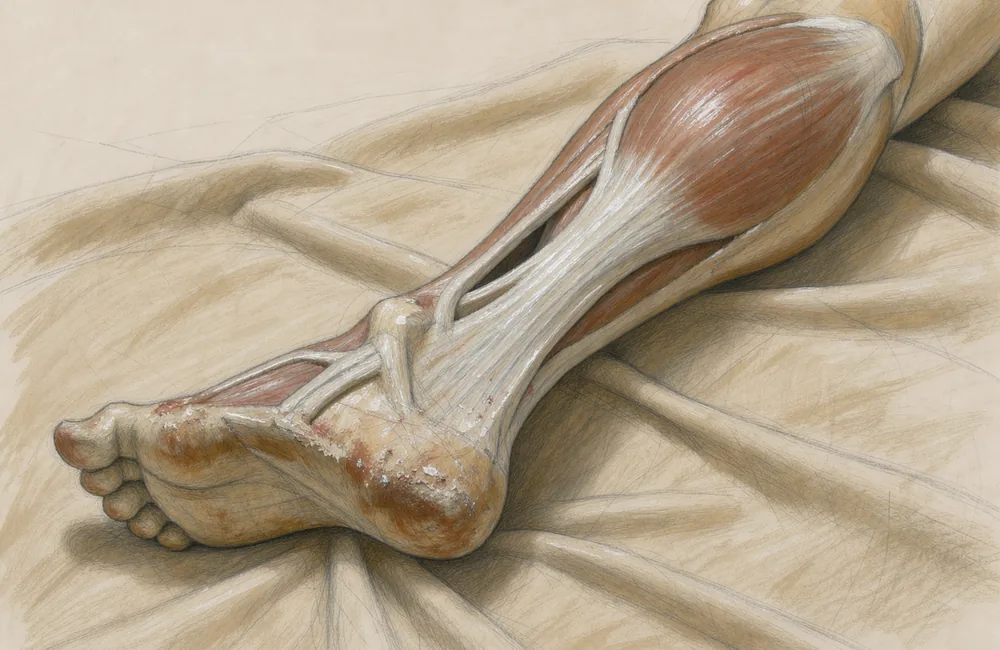
Vessel growth experiments
The 2017 work on new blood-vessel growth used chicks, rats with restricted blood flow to a hind limb, and human vascular cells grown in dishes. BPC-157 increased vessel density and accelerated blood-flow recovery in rat muscle. In the cultured cells it increased activity of VEGFR2, a receptor receiving vessel-growth signals. Blocking the cells’ uptake process blocked the effect.
That is a substantial mechanism to investigate. I’m doubtful about attributing recovery to the long list of possible extra actions: cell movement across wounds, tendon-cell sensitivity to growth hormone, nitric-oxide signalling and nerve chemistry. Each would need its own account of how much it contributes to recovery in a person.
The intravenous BPC-157 pilot
In the 2025 intravenous safety pilot, a 58-year-old man and a 68-year-old woman received BPC-157, with the study amount reaching 20 mg. Neither reported adverse events. The measured cardiac, liver, kidney, thyroid and glucose markers stayed unchanged. Both were healthy; injury healing was outside the experiment.
I’m curious whether BPC-157’s early safety result survives a larger human test. Two adults offer very little opportunity to discover uncommon harms, and the result leaves the practical injury question open.
There is also a 2022 study of breakdown in rats and beagle dogs. Elimination half-life was under 30 minutes. Intramuscular bioavailability, the fraction reaching blood, was 14-19% in rats and 45-51% in dogs. Exposure rose with the amount given; fragments entered ordinary amino-acid metabolism and were removed through urine and bile. Those animal measurements supply no established human treatment regimen.
Risks around the repair claim
The review’s regulatory and safety concerns are substantial: BPC-157 has no approved medical use anywhere, and identity, purity and content are unverified outside formal studies. Long-term human safety remains unknown. It is prohibited at all times in competitive sport by the World Anti-Doping Agency. Pregnancy, breastfeeding and childhood use lack safety studies.
The vessel-growth mechanism raises a theoretical cancer concern because tumours also need vessels. Rodent serotonin findings raise questions about interactions with serotonin-affecting medicines, and growth signalling raises questions about unwanted tissue growth. These are unresolved cautions based on mechanisms and animal work; human studies have yet to establish those harms.
Anecdotal accounts include digestive relief, better sleep or mood, and faster closure of minor wounds. Adverse accounts include soreness or redness at an injection site, nausea, tiredness, headache, dizziness, flushing and occasional palpitations. Such reports give neither a reliable rate of harm nor a tested time to improvement. I’d favour an injury trial that measured ordinary human movement.